
Tools Every Songwriter Should Have: Essentials for Anyone Learning How to Become a Songwriter
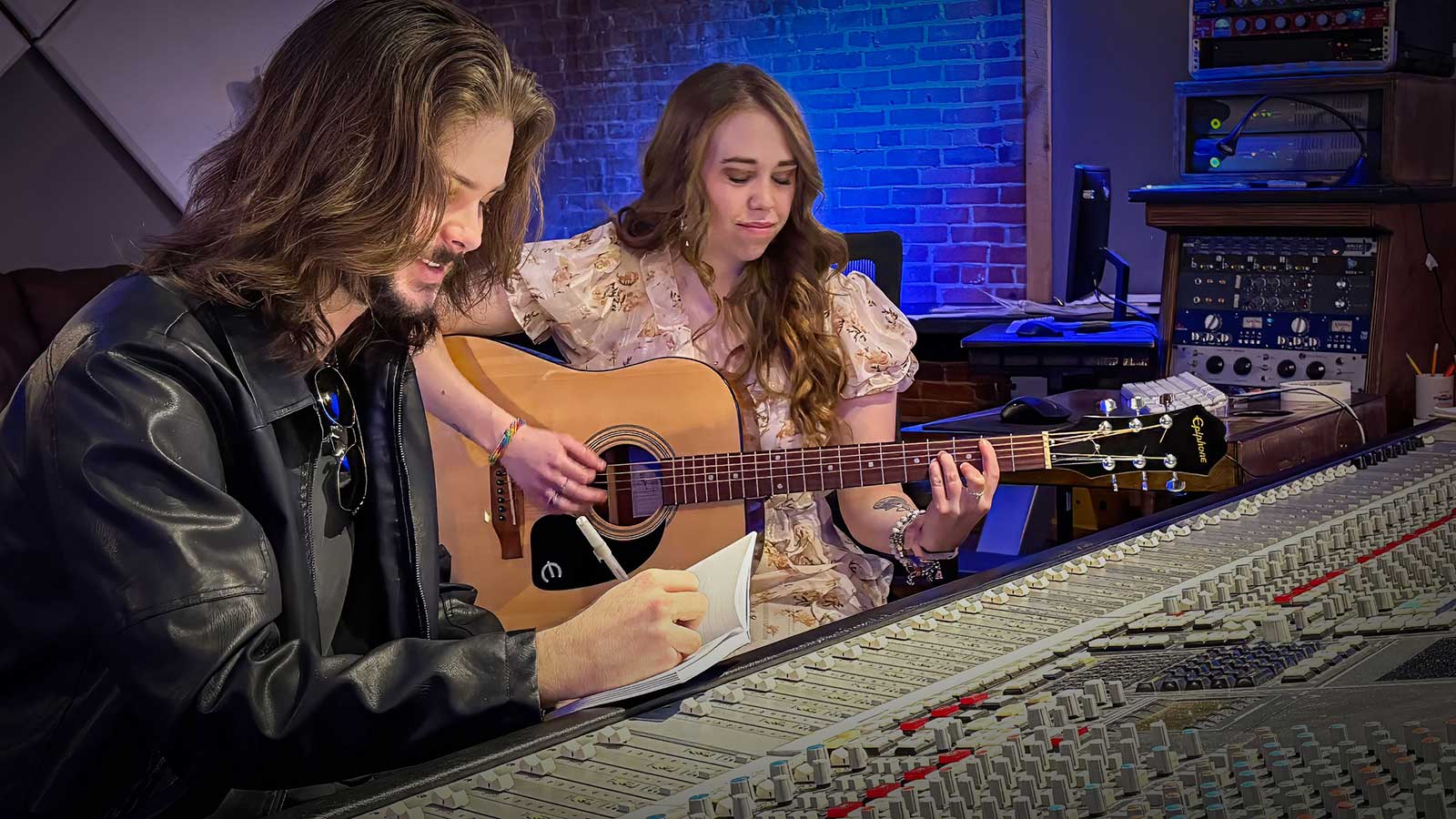
Whether you’re new to music or you’ve already written a handful of songs, you’ve probably wondered at some point: How do I actually become a songwriter? Where do I start?
The truth is that becoming a songwriter isn’t about waiting for inspiration to strike. It’s about having the right tools around you—the things that help you capture ideas, shape them, organize them, and develop them.
Songwriters don’t just write songs. They collect sparks of inspiration everywhere they go. They experiment, rewrite, edit, and revise. And to do all of that, they lean on a reliable set of tools and habits that support creativity.
If you’re serious about learning how to become a songwriter, this guide will walk you through the most essential songwriting tools, offer practical songwriting tips, and even point you to deeper resources that explore songwriting careers, royalties, publishing, and beyond.
Let’s dive in.
1. A NOTEBOOK AND PEN: YOUR MOST POWERFUL SONGWRITING TOOL
It might feel old-fashioned, but a notebook and pen remain two of the most important tools a songwriter can own. There’s something about physically writing that helps your brain slow down, organize, and clarify your ideas.
Why Writing by Hand Matters
Studies show that handwriting activates deeper cognitive processing than typing or dictating into a phone. When you write by hand:
You think more intentionally about your phrasing
You naturally self-edit as you go
Ideas stick in your memory more effectively
You engage creatively on both sides of the brain
You stay focused instead of scrolling or multitasking
Plus, jotting down a lyric or idea in a notebook is discreet. Whispering new lines into your phone while sitting in a coffee shop is… a little less subtle.
A Notebook = A Songwriter’s Creative Archive
Over time, your notebook becomes a goldmine of:
lyric fragments
title ideas
little bits of melody
life observations
emotional snapshots
chord changes
metaphors
story concepts
Even the ideas you don’t use will teach you something about your voice, your instincts, and your creative patterns.
Related Resource:
If you want to go deeper into structure, melody, and flow, check out “How to Write a Song” from Dark Horse Institute—a practical step-by-step guide that pairs perfectly with your notebook habit.
2. A GOOD THESAURUS: PRECISION TOOLS FOR BETTER LYRICS
Words matter more in songwriting than most people realize. A single word can shift the meaning, emotion, or clarity of a line. That’s why a thesaurus is one of the most underrated but essential songwriting tools.
Why Songwriters Need a Thesaurus
A good thesaurus helps you:
find stronger, more vivid words
avoid repetitive lines
dial in the exact emotional tone
improve imagery and specificity
push past the obvious idea into something more original
Sometimes the difference between a good lyric and a great one is a single word choice.
Recommended Choices
Merriam-Webster Thesaurus – clean, reliable, widely used
Collins English Thesaurus – expansive and excellent for songwriting
Whether digital or print, both are perfect companions for refining your work.
3. A RHYMING DICTIONARY: UNLOCKING NEW LYRIC POSSIBILITIES
If you’re learning how to become a songwriter, one skill you’ll lean on often is discovering fresh rhymes—especially rhymes you wouldn’t come up with naturally.
That’s where a rhyming dictionary becomes essential.
Online Rhyming Tools
Rhymer.com– quick and simple
WikiRhymer – especially helpful for songwriters, offering features beyond simple rhyming lists
Software or Print Options
Rhyme Genie (Mac/Windows) – powerful near-rhyme algorithms and a huge database
The Complete Rhyming Dictionary – a classic used for decades
Why Rhyming Dictionaries Matter
A rhyming dictionary helps you:
avoid cliché or overused rhymes
find unique rhymes that spark new lyrical directions
play with imperfect, slant, or internal rhymes
explore phrasing based on rhyme families
overcome rhyme-driven writer’s block
Understanding rhyme deeply is one of the most effective songwriting tips you’ll ever use. Song rhyme patterns affect flow, musicality, memorability, and emotional impact.
Related Resource:
To understand how rhyme and lyric originality affect copyright protection, check out “Songwriting Tips for Copyright, Publishing, and Royalties” from Dark Horse Institute. It connects the creative side to the business side.
4. A SIMPLE, EASY-TO-USE RECORDING DEVICE
This is not your DAW or studio setup. This is your “capture it now before it disappears forever” device.
Why Songwriters Need a Pocket Recorder
Melodies vanish quickly. So do rhythms and phrasing ideas. A portable recorder lets you:
capture ideas instantly
hum melodies without judgment
store multiple “song seeds”
record anywhere, anytime
stay in flow instead of fiddling with settings
Many popular recorders today start recording with one button, making them perfect for catching inspiration on the run.
Two Great Options
Both offer:
excellent sound quality
lightweight design
fast startup
affordability
easy file transfer
These tools save ideas that would otherwise be lost forever.
5. A BASIC UNDERSTANDING OF AI—AND HOW IT HELPS SONGWRITERS
AI may sound intimidating to some musicians, but the truth is: AI has been part of your life for years. GPS? Spellcheck? Recommendation algorithms? Voice assistants? All AI.
When used wisely, AI becomes a powerful songwriting tool, not a replacement for creativity.
How AI Supports Songwriters
AI can help you:
brainstorm lyric ideas
experiment with alternate phrasings
overcome writer’s block
organize scattered drafts
explore different themes, moods, or narrative angles
generate ideas based on a line or concept you provide
AI will never replace human emotion, storytelling, or authenticity—but it can speed up your workflow and spark creativity during dry spells.
AI = Not a Threat, but a Tool
Many professional songwriters, artists, and producers now use AI as one part of their creative toolkit. The key is understanding it and staying in control of your artistic direction.
6. ADDITIONAL TOOLS THAT HELP SONGWRITERS GROW
While the items above are essential, here are a few more tools that support daily creativity.
A Voice-Friendly Space
Even if it’s just a quiet corner at home, having a place where you’re comfortable singing freely is invaluable.
A Basic Musical Instrument
Guitar, piano, ukulele—anything that helps you explore melody and harmony.
A Lyric Sheet Template or App
Many songwriters organize their drafts using templates designed for:
verse / chorus flow
rhyme maps
chord charts
lyric revisions
A Creative Routine
Arguably one of the most overlooked tools. Writing consistently—even when you don’t feel inspired—will transform your skills faster than anything else.
7. MORE RESOURCES FOR LEARNING HOW TO BECOME A SONGWRITER
If you want to explore the business and career aspects of songwriting, these Dark Horse Institute articles are extremely helpful:
How Songwriters Actually Make Money: A Real-World Guide
Understand royalties, publishing, sync, and all major income streams.Songwriting Tips for Copyright, Publishing, and Royalties
Learn how to protect your work and avoid common mistakes.Songwriting Jobs in the Music Industry
Discover career paths you may not know exist—far beyond just “artist who writes songs.”How to Write a Song
A foundational, beginner-friendly guide to structure, melody, and flow.
CONCLUSION: THE TOOLS ARE SIMPLE—THE RESULTS ARE LIFE-CHANGING
Becoming a songwriter isn’t about perfection. It’s about showing up consistently, capturing ideas, exploring possibilities, and learning how to express something real. Whether you’re using a notebook, a rhyming dictionary, a portable recorder, or even AI, you’re building a set of habits that strengthen your creativity.
These essential songwriting tools, paired with good songwriting tips, will help you:
write more often
write more confidently
write more effectively
and write more authentically
Whether you’re dreaming of a songwriting career or simply exploring your creative voice, the tools you choose will support your journey every step of the way.
And when you’re ready to go deeper—learning from professionals, collaborating with others, and exploring real-world music industry training—Dark Horse Institute is here to help you take the next step.
Leave a Reply