
Turning a Home Recording Studio into a Profitable Music Business
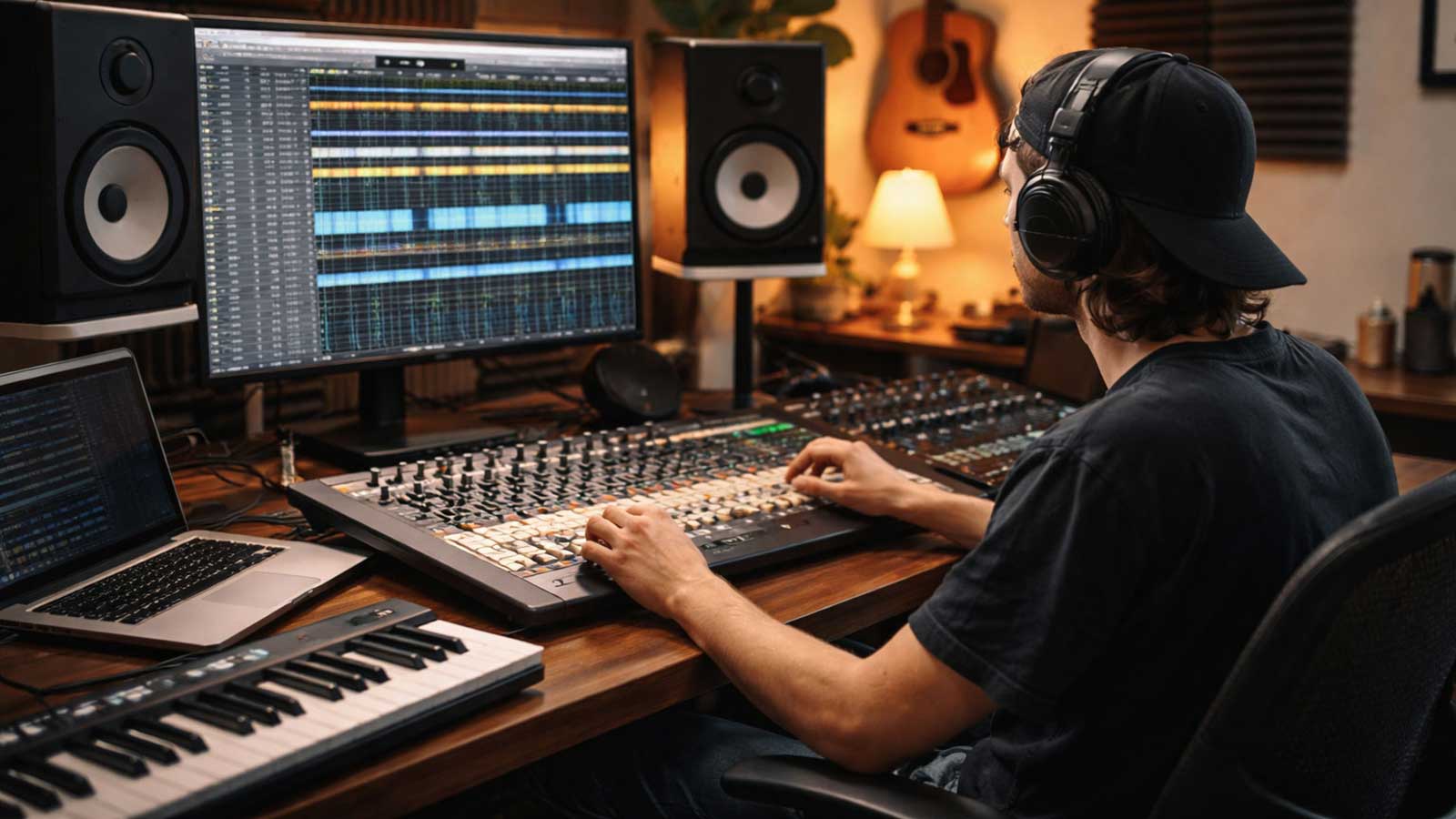
Can you really make money from a home studio? Can something most people see as a hobby actually become a legitimate business?
The answer in today’s digital world is a resounding yes.
For a long time, home studios were viewed as a side passion. If you weren’t working in a big commercial room, it wasn’t considered “real.” And the idea that an engineer could charge professional rates from their house? Not likely.
That’s changed.
Technology has leveled the playing field, and the truth is simple: clients care about results, not square footage. Right now, there are engineers building real income from home studios—and there’s no reason you can’t be one of them.
Yes, You Can Make Money from a Home Studio
But it doesn’t happen by accident.
Like any business, turning your home studio into a reliable source of income takes a plan, consistency, and the drive to go after it. This isn’t something that just falls into your lap—you build it through effort, strategy, and persistence.
The good news? There are more opportunities than ever.
You can generate income through:
- Recording local artists
- Mixing and mastering projects remotely
- Podcast and audio editing
- Beat licensing
- Content and voiceover production
The key is to find your lane while staying flexible.
And remember—this is a service business. Your success will be built on relationships and results, not just the gear you own.
Build a Studio That Clients Will Pay For
Let’s talk about gear.
You don’t need a perfect studio filled with expensive equipment and a carefully curated vibe. No incense required.
What you do need is a reliable, well-thought-out space that produces professional results.
That means:
- Clean recordings (acoustic treatment matters more than expensive gear)
- A consistent, efficient workflow
- The ability to deliver projects quickly and reliably
If you want a deeper look at how to build an effective setup without overspending, this breaks it down well: https://darkhorseinstitute.com/building-a-home-studio-on-a-budget
At the end of the day, perception matters. Be organized. Communicate clearly. Be easy to work with.
Professionalism will win over flashy gear every time.
Services You Can Offer to Create Revenue Streams
Recording Services
No matter where you live, there are artists who want to record—and want it to sound great. That could be singer-songwriters, full bands, or anything in between.
And don’t overlook other opportunities. Local businesses, churches, and organizations all need quality audio for videos, ads, and content. These may not be your passion projects, but they are real, viable income streams.
Mixing & Mastering
Many artists have access to a DAW, but far fewer have the skillset to create polished, professional mixes or masters.
That’s where you come in.
You’re offering something they can’t easily do themselves—trained ears, experience, and results.
Editing Services
Some clients don’t need full production—they just need their audio cleaned up.
Podcasters need filler words removed. Businesses need voiceovers to sound clear and professional. Content creators need their audio tightened up.
These are all services you can deliver from your home studio.
Session Work
If you’re a musician, this can be a major opportunity.
Remote session work is everywhere. Guitarists, drummers, keyboard players, and vocalists are contributing to projects all over the world without ever leaving their homes.
If you’ve got the skills, use them—and learn how to effectively balance being both a musician and an engineer so neither side of your work suffers.
How Do You Actually Get Paying Clients?
This is the big question—and especially at the beginning, it can feel like the hardest part.
The truth is, your first clients are probably closer than you think.
Start With Your Immediate Network
Friends, local artists, classmates—start there.
Look around and see who needs help, then offer your services.
Build a Portfolio (Not Just Talk)
Before people hire you, they need to hear what you can do.
Create a portfolio that shows your best work. Full songs, real examples, and a range of styles will go much further than short clips. This is especially important if you’re aiming to become a music producer, since clients and collaborators will judge your skills by what they can actually hear.
This is your business card—make it count.
Social Media Strategy Is Essential
If you’re not already on social media, you’re missing opportunities.
Post consistently:
- Session clips
- Mix breakdowns
- Client results
Focus on proof, not promotion. People want to see what you can do—not just hear you talk about it.
For a closer look at how to use social media to actually grow your reach, this is a helpful guide: https://darkhorseinstitute.com/how-musicians-can-use-social-media-to-grow-fast
Collaborate to Grow
Collaboration expands your reach fast.
When you work with others, you tap into their network—and they tap into yours. It’s one of the fastest ways to build visibility and credibility.
Work with artists you believe in. Trade value early if needed. Build relationships that grow over time.
Word of Mouth Is Everything
This is where real growth happens.
Be reliable. Be professional. Overdeliver.
People remember great experiences—and those experiences turn into referrals faster than anything else.
If you’re looking to better understand how the industry works—and where your role fits—this is a helpful place to start: https://darkhorseinstitute.com/music-business-program
Pricing Your Services (Without Undervaluing Yourself)
Let’s be honest—this is what a lot of people are thinking about.
Start by researching what others in your area are charging. That gives you a baseline.
But don’t race to the bottom.
Positioning yourself as the “cheap option” can hurt you long-term and is hard to undo. Instead, offer:
- Introductory rates
- Package deals
- Bundled services
You’re not just charging for time—you’re charging for value.
Common Mistakes That Kill Home Studio Businesses
Waiting Until Everything Is Perfect
Don’t wait.
Get your essentials in place and start. Many people never launch because they’re waiting for perfection—and that moment never comes.
Focusing Only on Gear
Gear matters—but it’s not everything.
Obsessing over equipment instead of building your business can slow you down fast.
Ignoring Networking
This cannot be overstated.
Your network is your business. Build it, nurture it, and stay connected.
Poor Communication
Every interaction matters.
Respond quickly. Be clear. Be professional.
Even small projects deserve big-level communication.
From Setup to a Sustainable Business
Turning a home studio into a profitable business is absolutely possible—but it depends on how you approach it.
This isn’t just a studio. It’s a service business.
When you combine skill, consistency, and strong relationships, you create real income—and real opportunities.
The challenge for most people isn’t access to gear—it’s knowing how to use it at a high level, building a workflow that delivers consistent results, and understanding how to turn those skills into steady work.
That’s where education and real-world experience can make a difference.
At Dark Horse Institute, students develop the technical skills, creative instincts, and industry awareness it takes to operate in today’s music and audio landscape—from recording and mixing to working with artists and navigating the business side of the industry.
If you’re ready to take your home studio further, it’s worth taking a closer look at how that kind of hands-on training can accelerate the process.
Learn more:
https://darkhorseinstitute.com
Leave a Reply